
Where Computer Science Meets the Power of Data
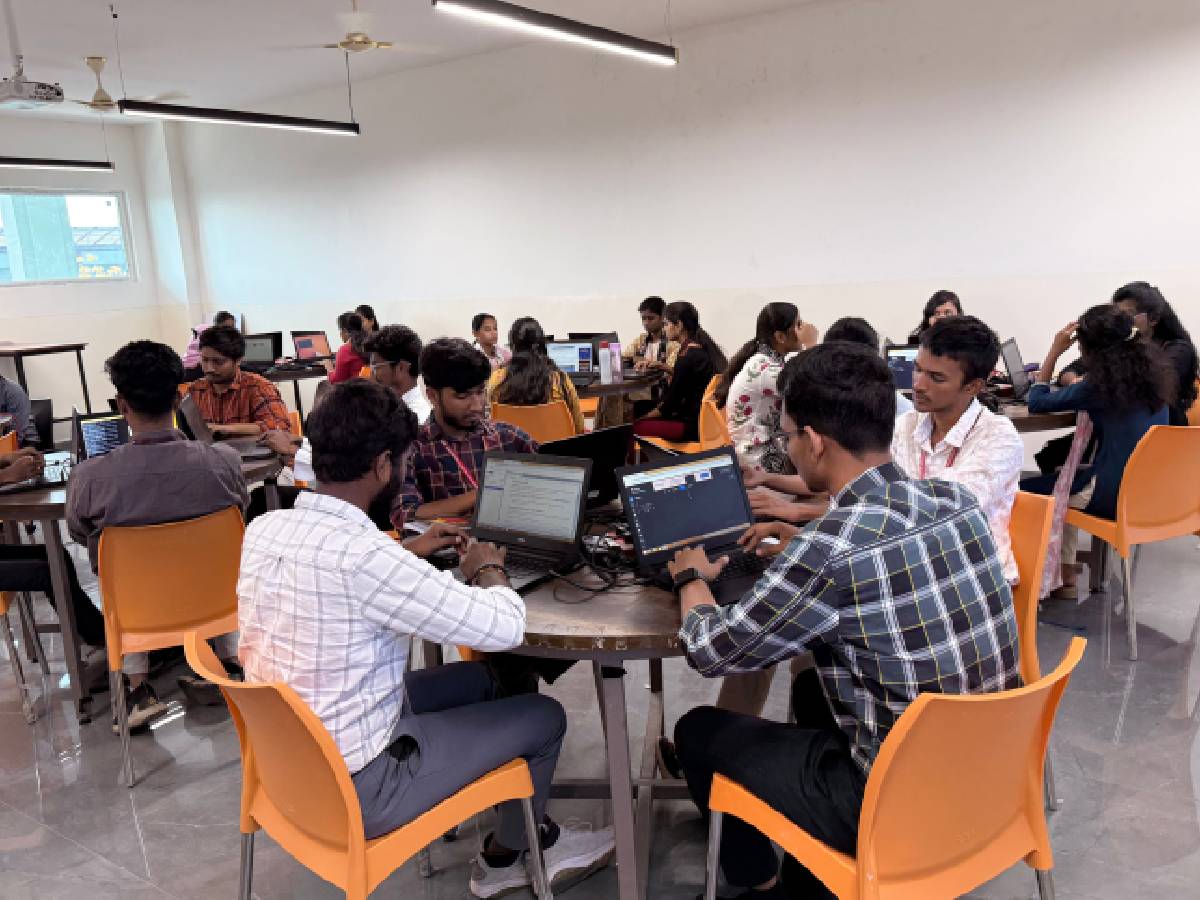
The Department of Computer Science and Engineering (Data Science) adopts a student-centered approach that fosters curiosity, active engagement, and independent learning. Students are encouraged to take ownership of their learning through hands-on activities, collaborative problem-solving, and data-driven exploration, enabling them to develop both technical and analytical competencies.
The learning process is designed around real-world datasets, analytical challenges, and project-based assignments, allowing students to effectively apply theoretical concepts in practical scenarios. Faculty members act as mentors and facilitators, guiding students in selecting appropriate tools, algorithms, and methodologies while promoting critical thinking, creativity, and informed decision-making.
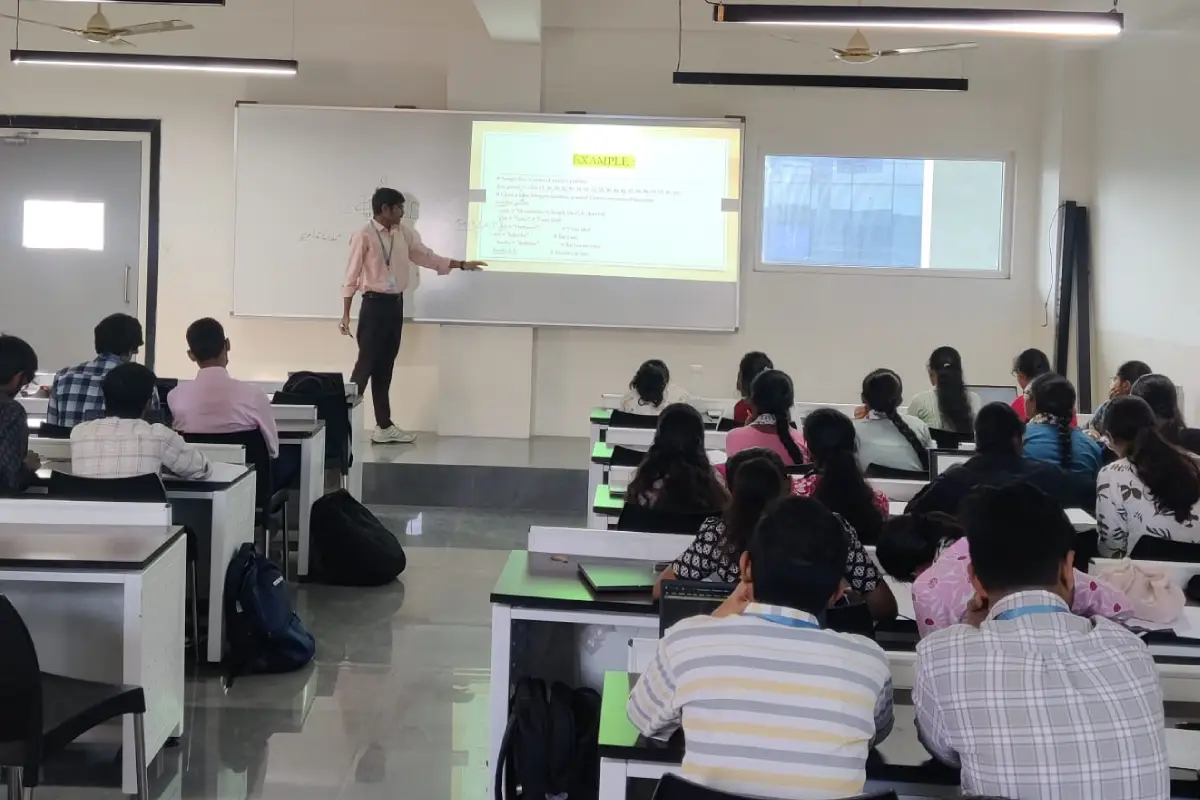
The Department of Computer Science and Engineering (Data Science) is committed to creating a dynamic and technology-driven learning environment that promotes analytical thinking, innovation, and practical skill development. The curriculum provides a strong foundation in statistics, programming, data analysis, and machine learning, while encouraging active participation and independent learning.
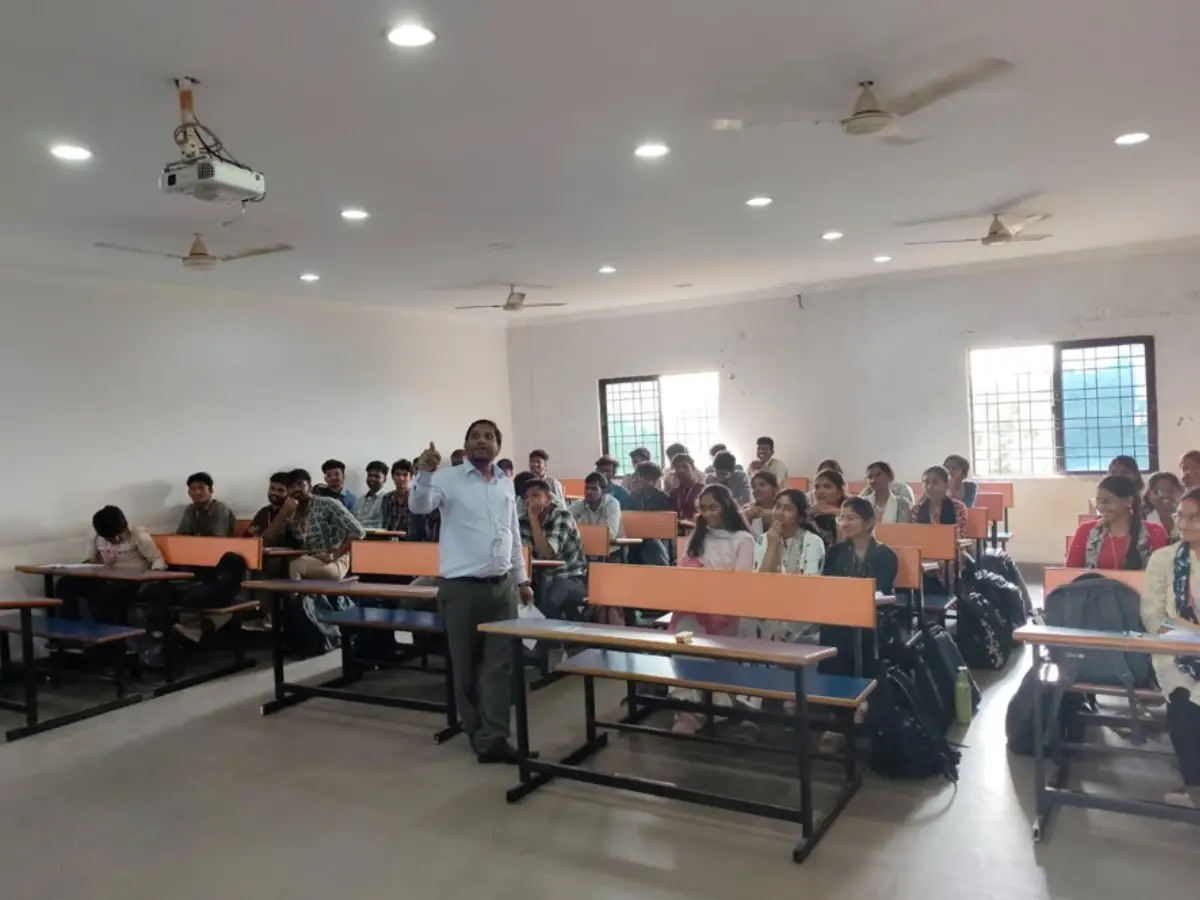
The department follows modern teaching methodologies, including experiential learning, data-driven case studies, collaborative projects, and continuous assessment, to enhance students’ understanding and practical competence. Through online learning resources, value-added courses, industry-oriented projects, and research opportunities, students develop the ability to solve real-world problems, adapt to evolving technologies, and make ethical, data-driven decisions.
This holistic approach equips graduates with the knowledge and skills required for successful careers, higher education, and lifelong professional growth.

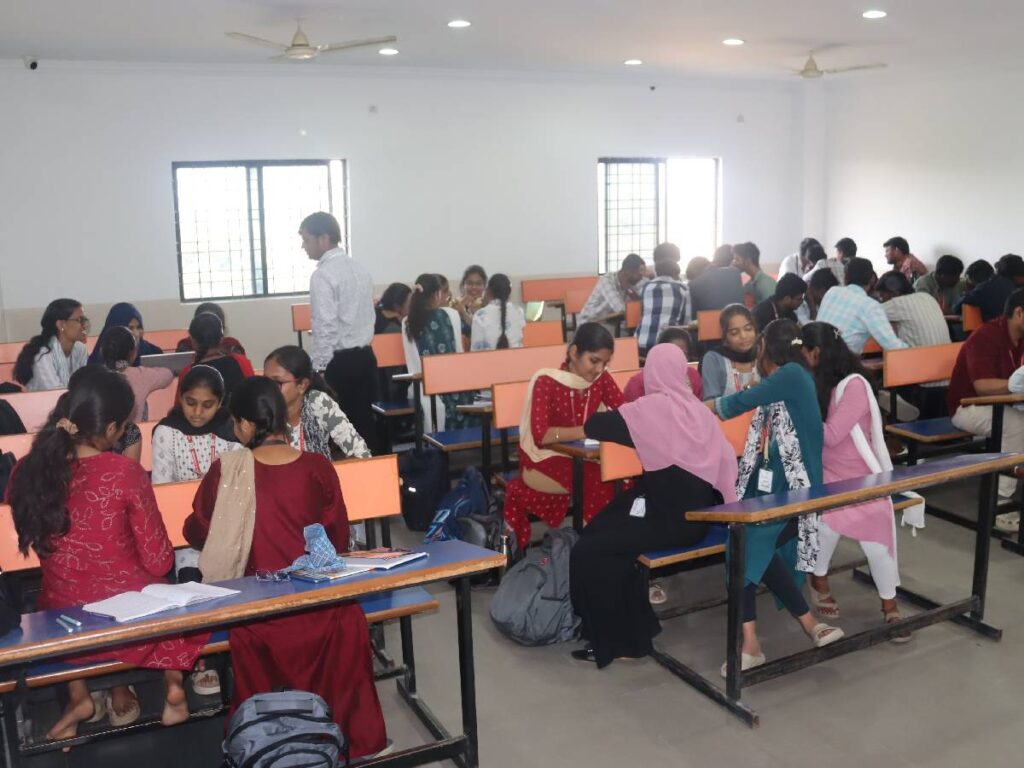
To promote self-directed and lifelong learning, the department integrates online resources, peer learning, hackathons, mini-projects, and interdisciplinary assignments into the curriculum. These initiatives encourage innovation, ethical responsibility, collaboration, and adaptability, preparing students to effectively address evolving industry and societal demands.
Faculty adopt diverse teaching strategies, including project-based learning, real-world data analysis, flipped classroom models, and case-based discussions, to bridge the gap between theoretical knowledge and practical applications in domains such as healthcare, finance, and smart systems. Coding demonstrations, simulation-based exercises, and tool-oriented sessions further provide hands-on experience with industry-relevant platforms and technologies.
The department offers value-added courses covering advanced programming, data analytics tools, machine learning applications, cloud computing, ethical AI, and research methodologies. These courses are delivered through workshops, certification programs, online modules, and hands-on training sessions, promoting self-paced learning and specialized skill enhancement.
Through these initiatives, students earn industry-recognized certifications, gain practical problem-solving experience, and develop interdisciplinary knowledge. This strengthens their adaptability, technical proficiency, and continuous learning capabilities, enabling them to effectively meet evolving industry and societal requirements.
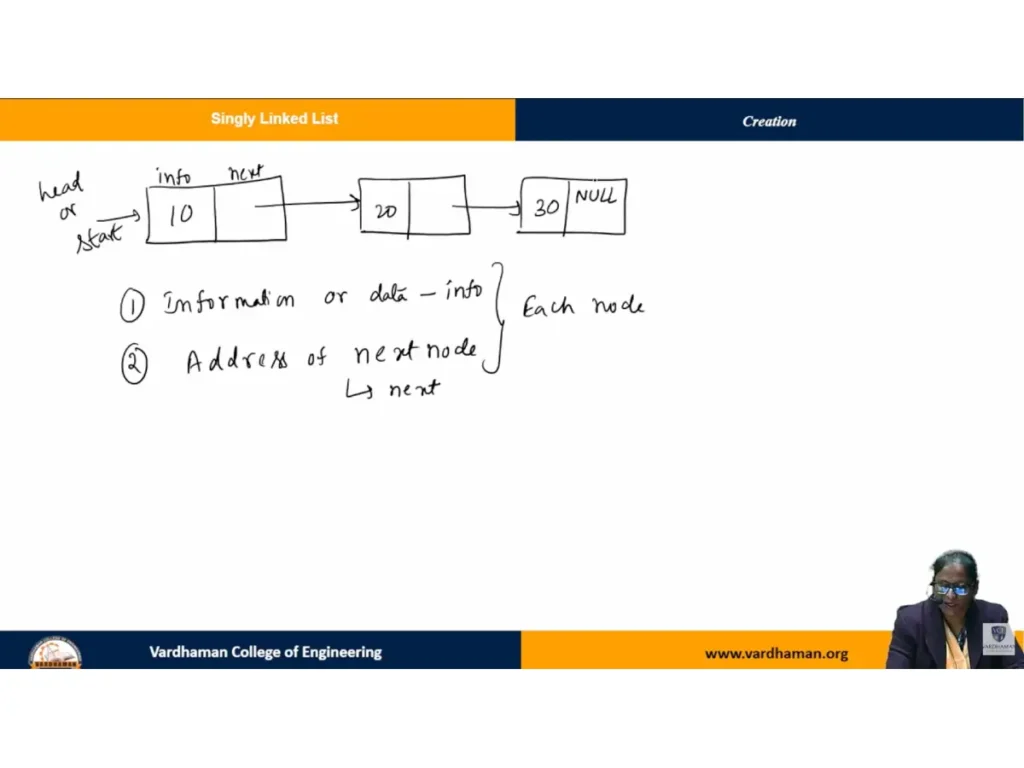
The Department of Computer Science and Engineering (Data Science) actively promotes participation in SWAYAM, NPTEL, and other Massive Open Online Courses (MOOCs) to complement classroom learning and encourage self-directed knowledge acquisition. These online platforms provide opportunities for students and faculty to explore specialized and interdisciplinary areas such as Data Analytics, Machine Learning, Artificial Intelligence, Big Data Technologies, Data Visualization, and Statistical Computing. Through expert-designed courses offered by reputed institutions, learners gain deeper conceptual clarity, practical exposure to modern tools, and industry-relevant competencies that extend beyond the regular academic curriculum.
Academic projects are a core component of the learning process in the Department of Computer Science and Engineering (Data Science), enabling students to apply theoretical knowledge to practical, data-driven challenges. These projects are designed to enhance analytical thinking, programming proficiency, and the ability to interpret and effectively communicate insights derived from data.
Faculty mentors provide continuous guidance throughout the project lifecycle, fostering innovation, teamwork, proper documentation, and effective presentation skills. Through these academic projects, students develop strong problem-solving abilities, research aptitude, and industry readiness, preparing them for professional careers and higher education.