
Where Computer Science Meets the Power of Data
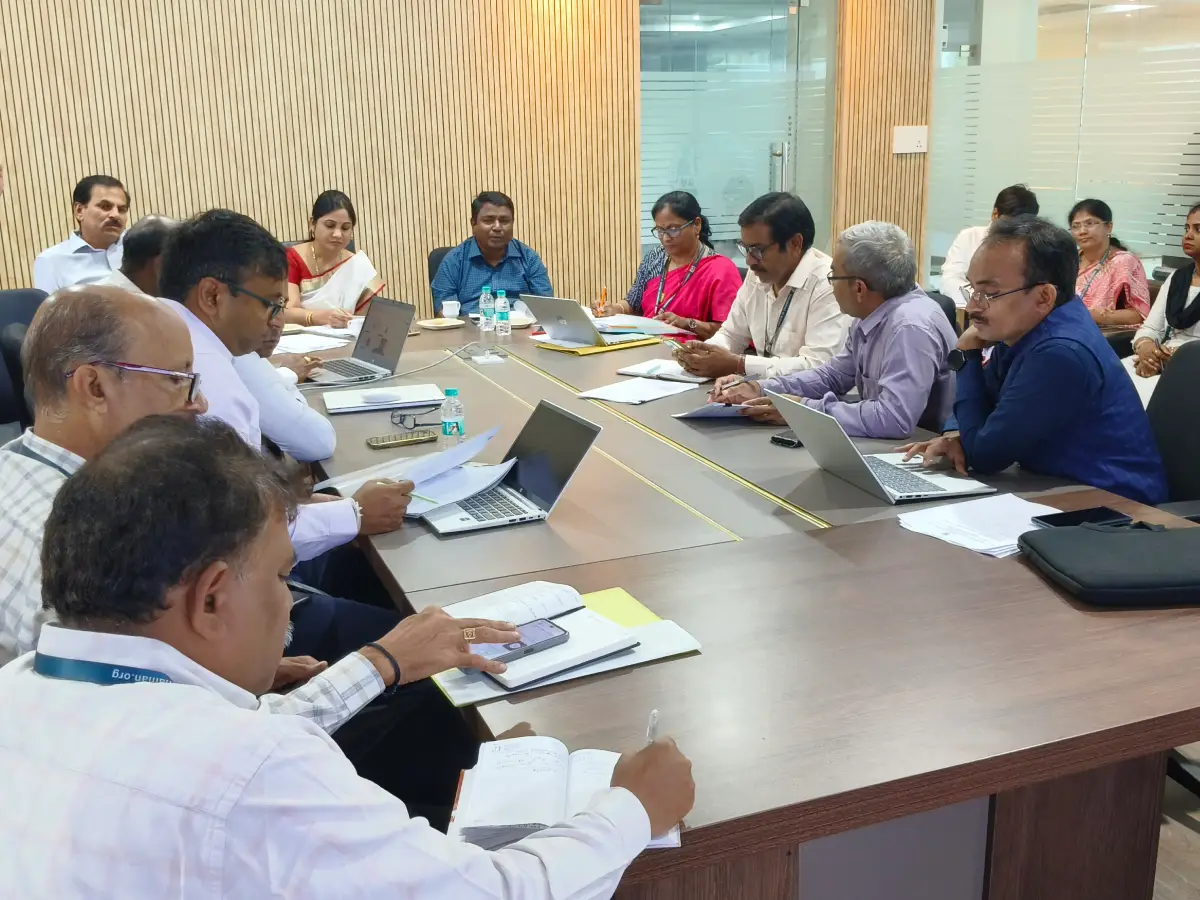
The academic regulations of the Department of Computer Science and Engineering (Data Science) are framed to ensure academic rigor, flexibility, and holistic development of students. These regulations define the curriculum structure, credit requirements, assessment methods, attendance criteria, and promotion rules in alignment with the university’s academic policies. They emphasize continuous evaluation through a balanced mix of internal assessments, practical work, and end-semester examinations, while encouraging innovation, interdisciplinary learning, and ethical practices. The regulations are periodically reviewed and updated to keep pace with technological advancements, industry expectations, and national education standards.
The Curriculum and Syllabus of the Department of Computer Science and Engineering (Data Science) are thoughtfully designed to integrate strong theoretical foundations with practical and creative problem-solving skills. The curriculum follows an outcome-based approach, blending core computer science principles with design thinking, emerging technologies, and interdisciplinary learning. The syllabus is structured to promote hands-on experience through laboratories, projects, internships, and industry-oriented courses, ensuring students are well prepared for professional practice and higher studies. Regular updates to the curriculum ensure alignment with technological advancements, industry requirements, and national education frameworks.
The Minor Courses offered by the Department of Computer Science and Engineering (Data Science) provide students with the opportunity to gain additional expertise in a focused area beyond their core discipline. These courses are designed to enhance interdisciplinary knowledge and skill development, enabling students to explore emerging domains, industry-relevant technologies, and complementary fields of study. By completing a prescribed set of minor courses, students can broaden their academic perspective, improve employability, and tailor their learning experience to align with individual career goals and interests.
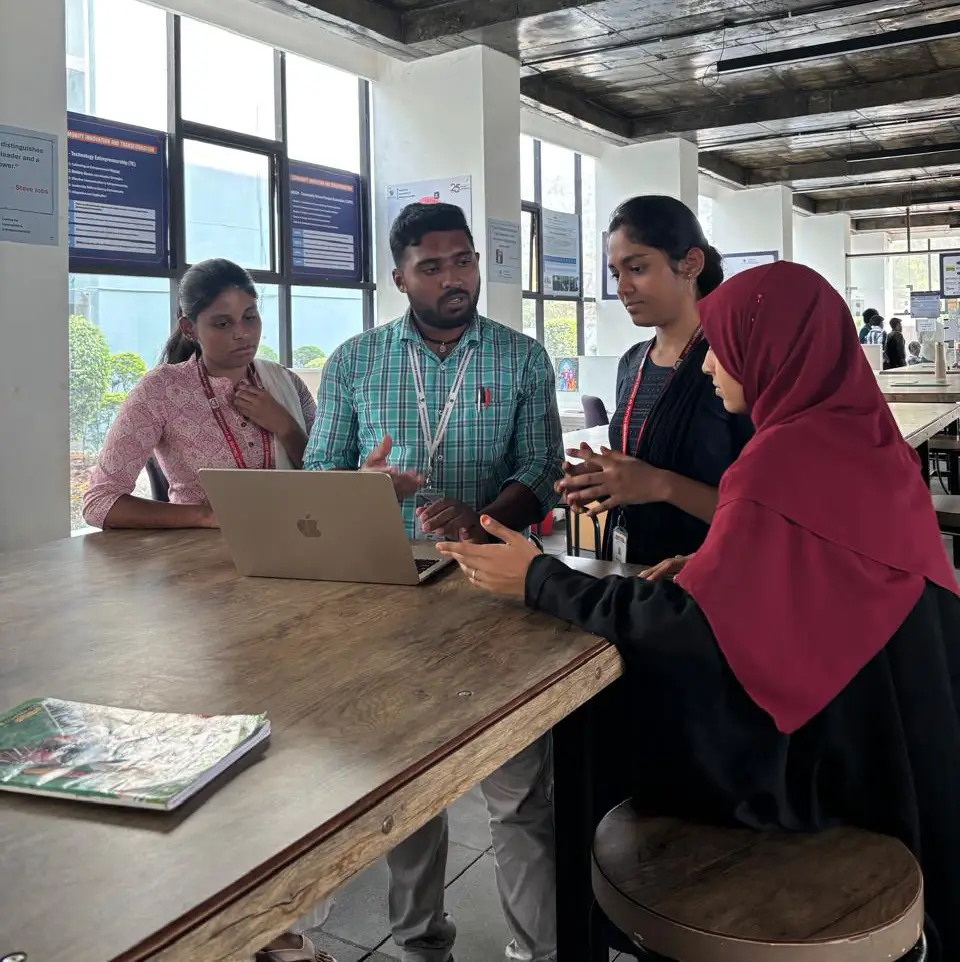
The Community Innovation and Transformation courses are designed to provide students with meaningful, real-world learning experiences by integrating engineering education with community service. These courses enable students to identify societal challenges and develop sustainable, technology-driven solutions that benefit local communities and social organizations. Through CIT courses, students apply their technical knowledge, creativity, and problem-solving skills to address real-life issues related to areas such as energy, environment, healthcare, accessibility, and rural development.
The CIT courses emphasizes experiential learning, teamwork, ethical responsibility, and social awareness. Students work in multidisciplinary teams under faculty mentorship, engaging in project planning, design, implementation, and evaluation. The program also promotes leadership, communication skills, and empathy while strengthening industry-relevant competencies. By blending academic learning with social impact, CIT courses help students become socially responsible engineers who contribute positively to society while gaining valuable hands-on experience aligned with professional and career goals.